Uzbekistan Travel Guide 2026: What to Know Before You Go
By Nodir Negmatov · 1 September 2026 · 14 min read
Uzbekistan is the heart of the Silk Road: a country of turquoise domes, desert fortresses and some of the warmest hospitality in Asia. It has also become much easier to visit in recent years, with visa-free entry for most Western travellers and fast trains between the great historic cities. This Uzbekistan travel guide brings together everything you need to know before you go, from entry rules and the best season to practical details that guidebooks often miss. It is written by a team that lives in Samarkand and has spent years guiding English- and French-speaking travellers across the country.
Uzbekistan at a Glance
• Capital: Tashkent
• Main historic cities: Samarkand, Bukhara, Khiva
• Currency: Uzbek som (UZS)
• Languages: Uzbek (official); Russian widely spoken; English in tourist areas
• Time zone: UTC+5, no daylight saving
• Visa: visa-free for up to 30 days for citizens of the EU, UK, US, Canada, Australia and many other countries
• Best time to visit: April–May and September–October
• Electricity: 220 V, plug types C and F (European round pins)
• Recommended trip length: 7 to 14 days
Why Visit Uzbekistan?
Few countries hold so much history in such a compact route. Within a few hours by train you move from Samarkand, the capital of Tamerlane's empire, to Bukhara, a city that has been continuously inhabited for more than two thousand years, and on to Khiva, whose walled inner town feels like an open-air museum. Several of these historic centres are UNESCO World Heritage sites.
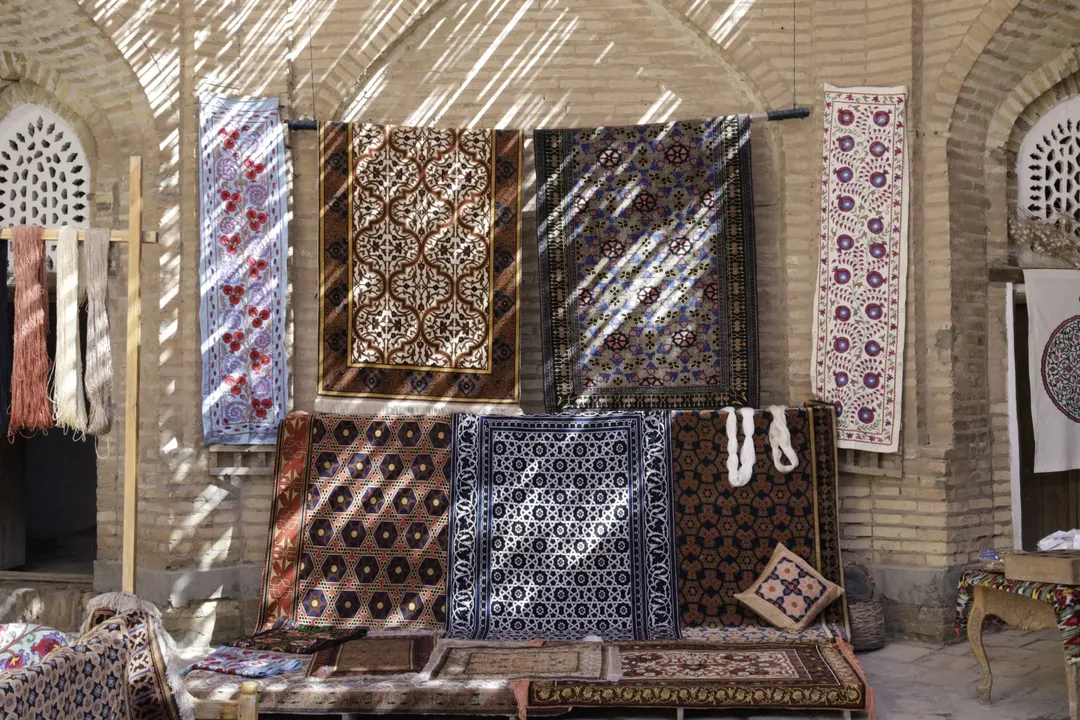
But what stays with most travellers is not only the architecture. It is the invitation to tea from a stranger, the smell of bread from a clay oven at dawn, and the craftsmen who still work silk, ceramics and embroidery using techniques passed down through generations. Uzbekistan is still far less crowded than most destinations of comparable beauty, which gives a journey here a rare sense of discovery.
Do You Need a Visa for Uzbekistan?
For most Western travellers, the answer is no. Citizens of all EU countries, the United Kingdom, Switzerland, Canada, Australia, New Zealand, Japan and South Korea can enter visa-free for up to 30 days. Since January 2026, this also applies to citizens of the United States.
If your nationality is not on the visa-free list, you can apply for an electronic visa through the official portal e-visa.gov.uz. Processing is usually quick, but allow at least a week before departure.
Make sure your passport is valid for at least several months beyond your planned departure date, and always check the latest rules with your embassy before travelling, as regulations in Uzbekistan have changed frequently in recent years.
Registration: The Rule Most Travellers Miss
Uzbekistan still requires foreign visitors to be registered at their place of stay. In practice this is simple: licensed hotels and guesthouses register you automatically in the national system, usually on the day of check-in.
A few practical tips:
• Keep the registration slips or electronic confirmations your hotels give you; border officers may occasionally ask for them on departure.
• If you take an overnight train, keep your ticket, as it covers that night.
• If you plan to stay in a private apartment or with friends, confirm in advance that your host will register you, as not all private rentals do.
When you travel with a tour operator, registration is handled for you as part of your hotel bookings.
Best Time to Visit Uzbekistan
Uzbekistan has a dry continental climate with hot summers and cold winters.
Spring (April–May) is arguably the most beautiful season. Temperatures are mild, orchards and mountain valleys are in bloom, and March brings Navruz, the Persian New Year, celebrated with music, food and family gatherings.
Autumn (September–October) rivals spring. The heat breaks, the markets overflow with melons, grapes and pomegranates, and the light over the monuments turns golden in the late afternoon.
Summer (June–August) can be intensely hot, often above 40°C in Bukhara and Khiva. It is still possible to travel, but plan sightseeing early in the morning and in the evening.
Winter (November–February) is quiet, cold and occasionally snowy. The monuments are almost empty, which appeals to photographers and travellers who prefer solitude.
How to Get to Uzbekistan
Tashkent International Airport is the main gateway, with direct flights from several European cities, including Paris, Frankfurt, London, Milan and Rome, operated mainly by Uzbekistan Airways. There is also a nonstop connection from New York.
You can also fly directly into the historic cities. Turkish Airlines connects Istanbul with Tashkent, Samarkand, Bukhara and Urgench (the airport for Khiva). This makes it possible to plan an open-jaw itinerary, for example arriving in Tashkent and departing from Urgench, which saves a long return journey across the country.
Getting Around Uzbekistan
By train. The Afrosiyob high-speed train is the most comfortable way to travel between the main cities. Tashkent to Samarkand takes a little over two hours, and Tashkent to Bukhara around four. Carriages are modern and air-conditioned. Tickets sell out quickly in spring and autumn, so book several weeks in advance. The slower Sharq trains are a good alternative when Afrosiyob seats are gone.
By air. Short domestic flights link Tashkent with Urgench, Bukhara and other regional airports. For Khiva, flying to Urgench is often the most efficient option; the old town is about 40 minutes away by car.
By private car. Travelling by road with a driver lets you stop at places the trains don't reach, such as Shahrisabz, the Nurata mountains or the desert yurt camps near Lake Aydarkul.
Where to Go: The Essential Cities
Samarkand. The Registan square, the Bibi-Khanym Mosque, the Gur-e-Amir mausoleum and the Shah-i-Zinda necropolis are among the finest monuments of Islamic architecture in the world. Allow at least two to three days.
Bukhara. Calmer and more intimate than Samarkand, Bukhara is best explored on foot through its covered bazaars, madrasas and quiet residential lanes. The Kalyan Minaret and the Ark fortress are highlights.
Khiva. The walled inner town of Itchan Kala is compact enough to explore in a day, but staying overnight lets you experience it at sunrise and after the day visitors have gone.
Tashkent. Often skipped, the capital deserves at least a day for its Soviet-modernist architecture, the ornate metro stations and the Chorsu Bazaar.
Beyond the classics. Shahrisabz, the birthplace of Tamerlane; Nurata and the Kyzylkum desert; and the Fergana Valley, the home of Uzbek silk and ceramics, reward travellers with more time.
How Many Days Do You Need?
• 7 days: Tashkent, Samarkand and Bukhara at a comfortable pace.
• 10 days: the classic Silk Road route, adding Khiva.
• 14 days: the classic route plus Shahrisabz, a night in a desert yurt camp or the Fergana Valley.
Money: Currency, Cards and Tipping
The local currency is the Uzbek som (UZS). Bank cards (Visa and Mastercard) are accepted in most good hotels, upscale restaurants and larger shops, but cash is still essential at bazaars, small cafés and craft workshops.
ATMs are easy to find in the main cities. You can also bring euros or US dollars and exchange them at banks or official exchange points; bring clean, recent banknotes, as damaged notes may be refused.
Tipping is appreciated but not obligatory. Many restaurants add a service charge of around 10–15% to the bill; if not, leaving about 10% is a kind gesture. Guides and drivers are customarily tipped at the end of a tour.
Culture and Etiquette
Uzbekistan is a secular country with a predominantly Muslim population and a relaxed atmosphere. A few customs will help you feel at ease:
• Dress modestly when visiting mosques and mausoleums: shoulders and knees covered, and a scarf for women where requested.
• Remove your shoes when entering homes and some religious spaces.
• Respect bread. Non, the round flatbread, is almost sacred; it is never placed upside down or thrown away.
• Ask before photographing people, especially women and elders. Most people will happily agree.
• Accept tea. Hospitality is central to Uzbek culture, and an invitation is sincere.
Food and Drink
Uzbek cuisine is generous and deeply regional. Plov, rice cooked with meat, carrots and spices, is the national dish, and every city claims its own version. Look out for samsa (baked pastries), lagman (hand-pulled noodles), shashlik (grilled skewers) and the bread of Samarkand, famous across Central Asia.
Green tea accompanies every meal. Drink bottled or filtered water rather than tap water. Vegetarian options exist but are limited, so let your hosts or guide know in advance.
Is Uzbekistan Safe?
Uzbekistan is considered one of the safest countries in the region for travellers. Violent crime against tourists is rare, and the main cities have a dedicated tourist police. Normal precautions apply: watch your belongings in crowded bazaars, use official taxis or ride-hailing apps, and carry a copy of your passport. Women travelling alone generally report feeling safe and welcome.
Practical Essentials
• Mobile data: local SIM cards and eSIMs are inexpensive and widely available; Wi-Fi is standard in hotels.
• Language: English is spoken in hotels and tourist areas, but less so elsewhere. French speakers are rare outside specialised guides.
• Travel insurance: strongly recommended, including medical coverage.
• Photography: drones require special permission; avoid photographing military or government buildings.
• Ramadan: travel is entirely possible, though some restaurants may adjust their hours.
Travelling Uzbekistan with Xanaka
At Xanaka Travel, we design private journeys across Uzbekistan for travellers who value depth, comfort and authenticity. Our guides speak fluent English and French, and our itineraries are built around each guest: the right pace, carefully selected hotels, and access to artisans, families and places rarely found on standard tours.
If you are considering a journey to Uzbekistan, we would be glad to help you shape it.
Frequently Asked Questions
Do I need a visa to visit Uzbekistan?
Citizens of the EU, UK, US, Canada, Australia and many other countries can visit visa-free for up to 30 days. Others can apply for an e-visa online.
What is the best time to visit Uzbekistan?
April to May and September to October offer mild weather and the best conditions for sightseeing.
How many days do I need in Uzbekistan?
Seven days are enough for Tashkent, Samarkand and Bukhara; ten days allow you to add Khiva.
Is Uzbekistan safe for tourists?
Yes. Uzbekistan has a low crime rate and a dedicated tourist police in the main cities.
Can I use credit cards in Uzbekistan?
Cards are accepted in most hotels and upscale restaurants, but you will need cash for bazaars and smaller places.
Do I need to register in Uzbekistan?
Yes, but hotels and licensed guesthouses register you automatically. Keep your registration slips until you leave the country.
What language is spoken in Uzbekistan?
Uzbek is the official language, and Russian is widely understood. English is spoken in tourist areas.
Related journeys
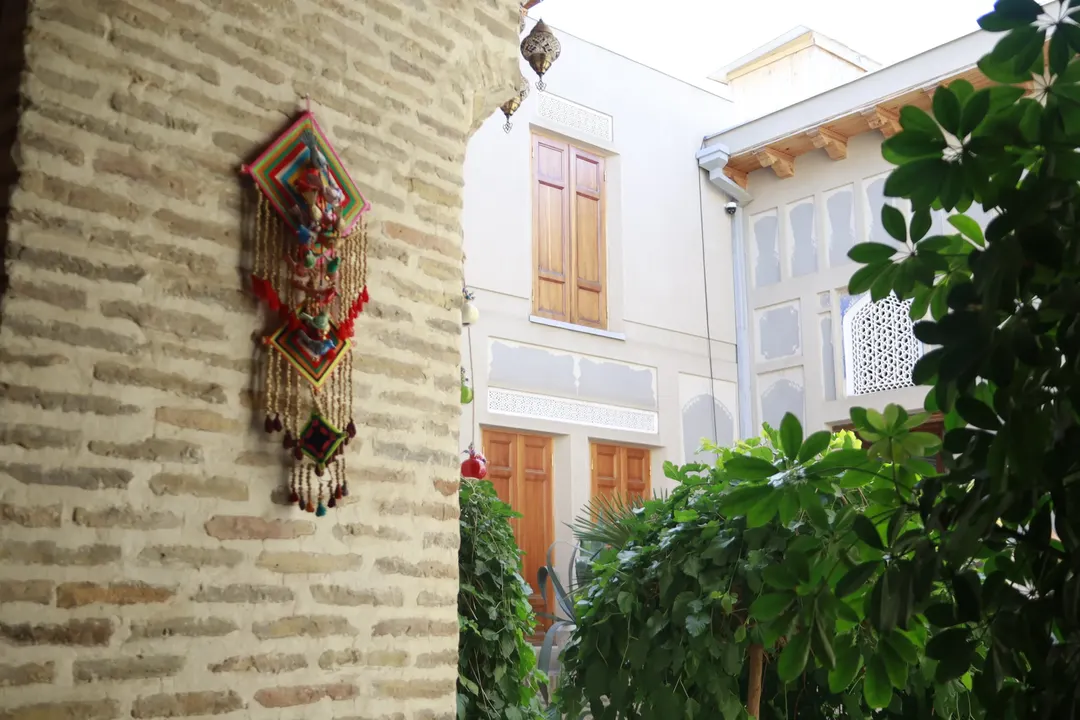
11 days, 10 nights
Beyond the walls of Itchan Kala
Tashkent · Khiva · Bukhara · Samarkand
The three great Silk Road cities at the pace they deserve, with evenings inside Khiva’s walls and a private dinner in a Bukharan merchant’s house.
From €2,090 per guest
See itineraryMore from the journal
Guides
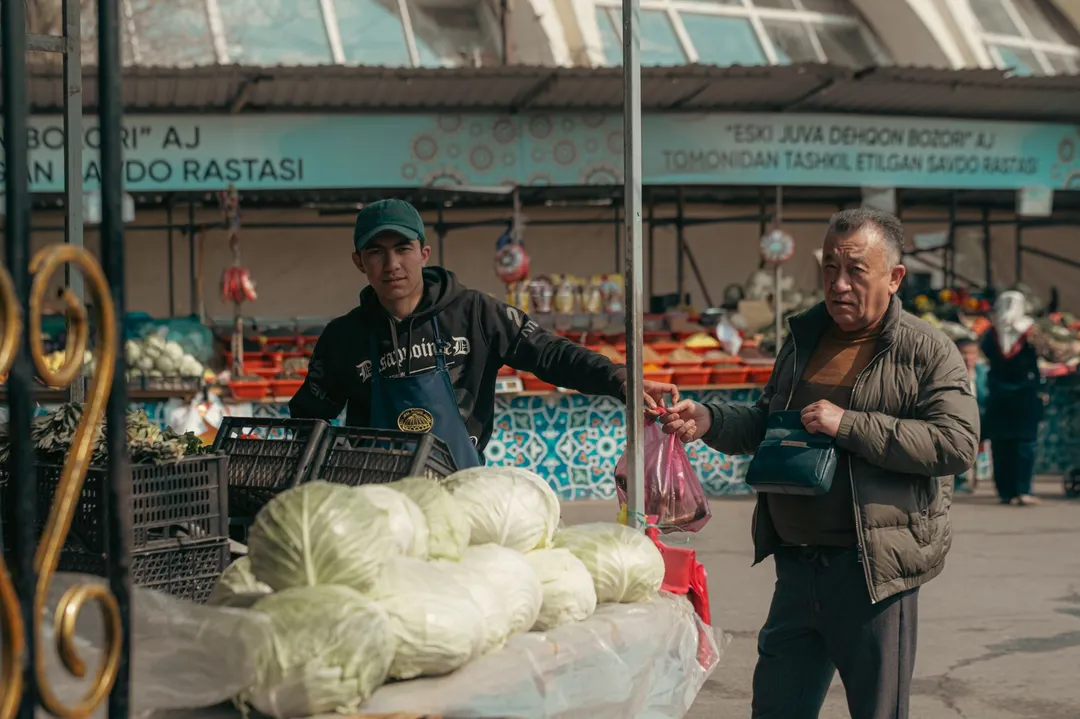
Uzbekistan practical tips: money, SIM cards and what to pack
Cards or cash, how to get a local SIM, what to wear in mosques and what to pack for each season.
Nodir Negmatov · 4 November 2026
Read article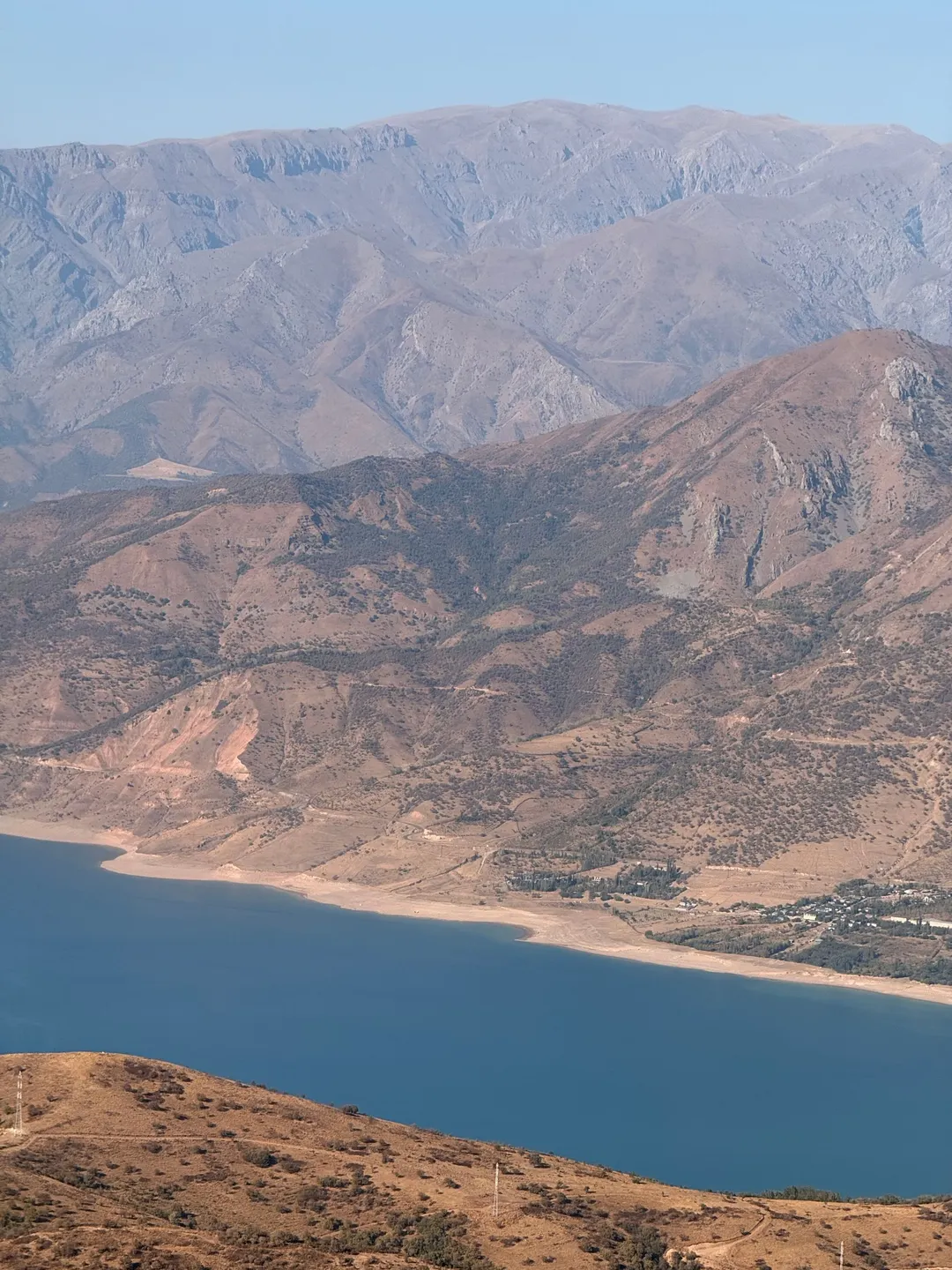
Guides
How to get to Uzbekistan: flights from Europe and travelling between cities
Direct flights from Paris, London and Frankfurt, connections via Istanbul, which airport to choose and how to travel between Samarkand, Bukhara and Khiva.
Nodir Negmatov · 4 November 2026
Read article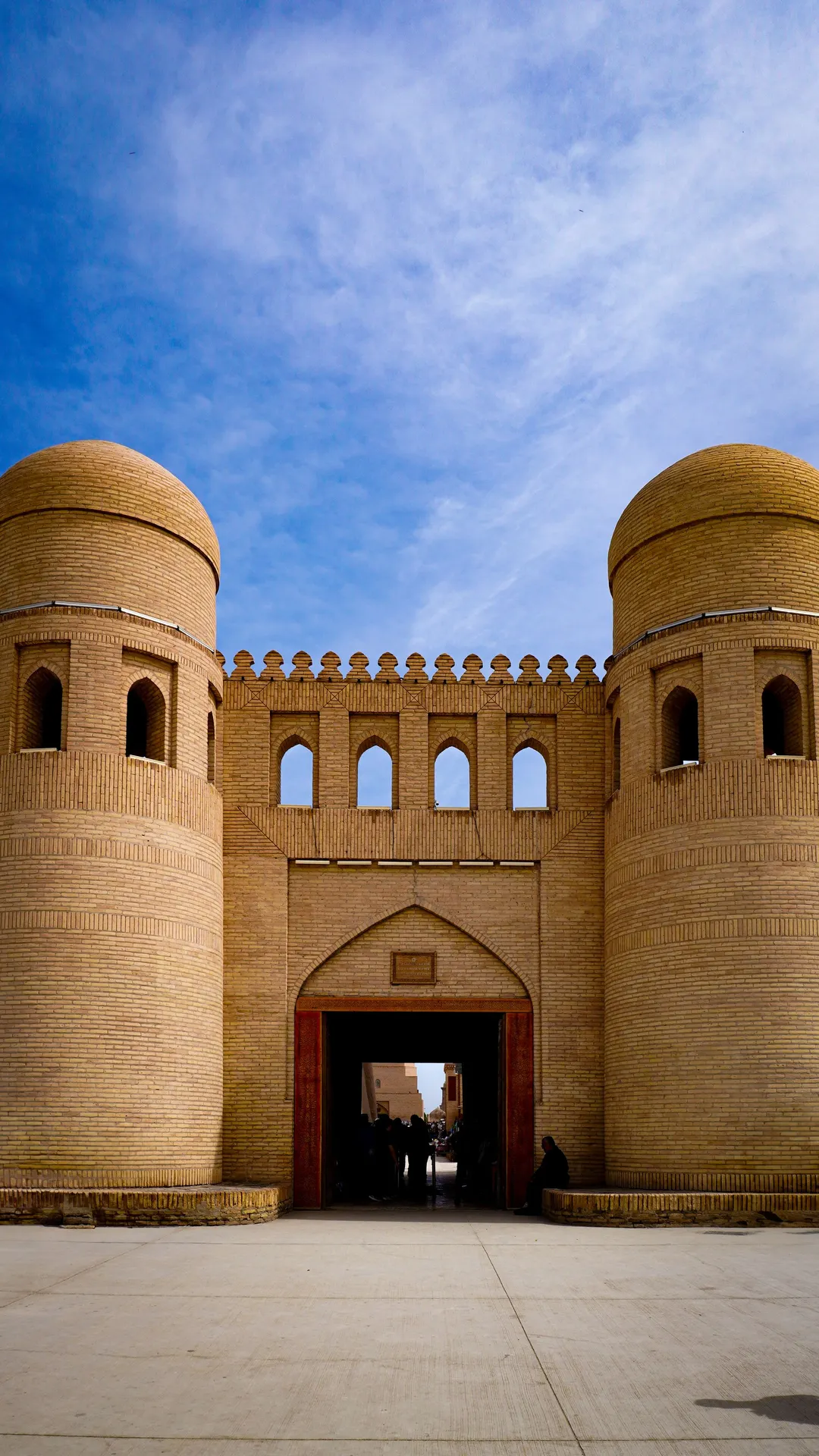
Guides
Uzbekistan visa for French and EU citizens
No visa for stays of up to 30 days — but passport validity and the registration of your stay still matter. The rules in plain language.
Nodir Negmatov · 4 November 2026
Read article