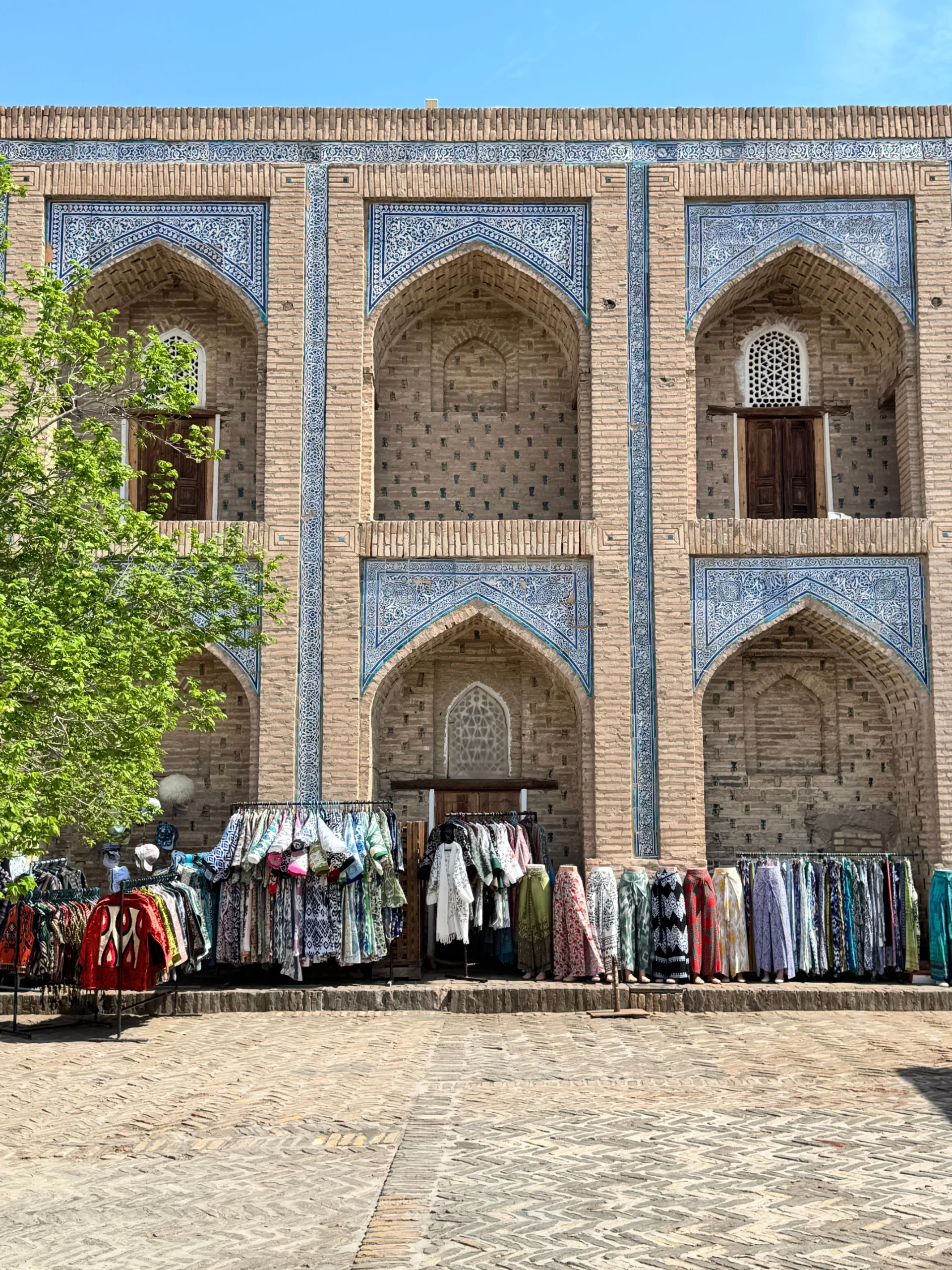
Best Time to Visit Uzbekistan, Season by Season
By Nodir Negmatov · 14 August 2026 · 9 min read
Choosing the right season can transform a journey along the Silk Road. The same courtyard in Bukhara that feels serene on an April morning can be scorching in July, and Samarkand's blue domes look entirely different under autumn light or a rare dusting of snow. In this guide to the best time to visit Uzbekistan, we explain what each season really feels like, month by month and city by city, so you can choose the dates that suit your travel style. It is based on our daily experience in Samarkand and years of planning trips for English- and French-speaking travellers.
The Short Answer
Uzbekistan is a year-round destination. For warm weather, the classic seasons are mid-April to early June and September to late October, with dry days and ideal conditions for exploring Samarkand, Bukhara and Khiva on foot. Winter (December to February) is the insider's season: crisp, often sunny days, monuments almost to yourself, the best hotel availability and the chance to add skiing in the mountains near Tashkent. Recent winters have frequently been milder than the country's reputation suggests. Summer suits travellers who plan their days around the heat, while March and November are quiet, beautiful shoulder months.
Understanding Uzbekistan's Climate
Uzbekistan has a dry continental climate: long sunny summers, short springs and autumns, and cold but mostly bright winters. Rain is rare outside of late winter and spring, and humidity stays low for most of the year, so heat feels dry rather than oppressive.
Temperatures vary noticeably across the country. Khiva and Bukhara, closer to the desert, have the hottest summers and the coldest winter nights. Samarkand and Tashkent are slightly milder, and the mountain areas around Samarkand, Nurata and the Chimgan range near Tashkent stay pleasantly cooler in summer.
Day and night temperatures can differ by 12–15°C, especially in the desert regions, so a light layer is useful in every season.
Uzbekistan Weather by Month
The table below shows typical daytime highs in Samarkand and Bukhara. Figures are rounded long-term averages; actual temperatures vary from year to year, and recent winters have often been warmer than these figures.
| Month | Samarkand (high) | Bukhara (high) | What to expect |
|---|---|---|---|
| January | 7°C | 8°C | Crisp, sunny days; empty monuments; ski season in the mountains |
| February | 10°C | 12°C | Bright and quiet; warming by month's end; excellent hotel availability |
| March | 15°C | 18°C | Changeable, some rain; Navruz celebrations on 21 March |
| April | 21°C | 25°C | Blossom season; one of the most beautiful months |
| May | 26°C | 31°C | Warm and green; peak season, festivals in Bukhara |
| June | 31°C | 37°C | Hot, especially in Bukhara and Khiva; long days |
| July | 34°C | 39°C | The hottest month; sightseeing early and late only |
| August | 32°C | 36°C | Very hot but drying out; fruit season begins |
| September | 28°C | 31°C | Warm and golden; arguably the best month overall |
| October | 21°C | 24°C | Mild, clear skies; harvest markets; peak season |
| November | 14°C | 15°C | Cool and calm; fewer visitors, soft light |
| December | 9°C | 9°C | Crisp and calm; festive New Year atmosphere; occasional snow on the domes |
Spring in Uzbekistan (March to May)
Spring is the season many travellers dream of. The desert briefly turns green, apricot and almond trees blossom, and the air is fresh and clear.
March is a month of transition. Days can be sunny and mild or grey and wet, and nights are still cold. Its highlight is Navruz on 21 March, the Persian New Year and one of the most important holidays in the country, when families prepare sumalak (a sweet wheat dish cooked overnight) and towns celebrate with music and fairs.
April is ideal for sightseeing: comfortable temperatures, blooming orchards and long walks through the old towns without fatigue. It is also the best time to combine the cities with hikes in the mountains or a night in a desert yurt camp.
May is warm and green and marks the height of the spring season. Bukhara often hosts its Silk and Spices Festival at this time, with crafts, music and food filling the old town. Expect more visitors and book trains and hotels well ahead.
Summer in Uzbekistan (June to August)
Summer is hot and almost completely dry. In Samarkand, afternoon temperatures commonly reach the low to mid-30s°C, while Bukhara and Khiva regularly climb close to 40°C.
Travelling in summer is entirely possible with the right rhythm: visit monuments from early morning until late morning, rest during the hottest hours, and head out again in the evening, when the old towns come alive and the light softens over the domes. Summer also has advantages: long days, fewer tour groups than in spring and autumn, and an abundance of fruit in the bazaars.
In odd-numbered years, late August brings Sharq Taronalari ("Melodies of the East"), an international music festival held in front of the Registan in Samarkand. The next edition is expected in 2027.
If you travel in summer, consider including cooler areas such as the mountains near Samarkand or the Chimgan range near Tashkent, and choose hotels with good air conditioning and, ideally, a pool.
Autumn in Uzbekistan (September to November)
For many travellers and for our own team, autumn is the finest season in Uzbekistan.
September combines warm days, cooler nights and stable weather. The markets are overflowing with grapes, melons, figs and pomegranates, and the late-afternoon light turns the monuments golden. 1 September is Independence Day, a national holiday with celebrations across the country.
October is mild and clear, perfect for long walking days and photography. It is a popular month, so plan your bookings early.
November becomes cooler and quieter. Days are often still sunny, and the monuments feel more intimate with fewer visitors. It is a good choice for travellers who prefer calm and don't mind a coat in the evening.
In odd-numbered years, autumn also brings the Bukhara Biennial, a contemporary art festival set in the city's historic buildings. Kokand hosts a handicrafts festival in September that attracts artisans from across the region.
Winter in Uzbekistan (December to February): The Insider's Season
Winter is Uzbekistan's best-kept secret, and our favourite season to recommend to travellers who want the Silk Road at its most authentic.
The weather is often better than you expect. Long-term averages put daytime highs at around 7–10°C in Samarkand and Bukhara, with frost at night. In practice, winters here are dry and frequently sunny, and in recent years many winter days have been noticeably milder, pleasant enough for long walks in a light coat. Cold spells and the occasional snowfall still happen, especially in Khiva and the Fergana Valley, so it is wise to pack warm layers. When snow does fall, the turquoise domes and minarets under a white blanket are one of the most beautiful sights in Central Asia.
Why travel to Uzbekistan in winter?
• The monuments to yourself. The Registan, Shah-i-Zinda and Bukhara's old town, without the crowds of spring and autumn.
• Beautiful winter light. The low sun gives soft, golden light for most of the day, a gift for photographers.
• The best hotels and train seats. Boutique hotels and Afrosiyob tickets that sell out months ahead in high season are readily available.
• A warmer, more personal welcome. Artisans, families and guides have more time to share their stories.
• Uzbek hospitality at its coziest. Steaming plov, fresh tandir bread, hearty soups and long evenings in tea houses by the fire.
Winter experiences we love:
• Craft workshops: silk-paper making near Samarkand, ceramics in Gijduvan and silk carpet weaving — all indoors and at their most intimate in the quiet season.
• Cooking masterclasses: learn to prepare plov or samsa with a local family.
• A traditional hammam in Bukhara after a day of walking in the cold air.
• Opera and ballet in Tashkent at the Alisher Navoi Theatre, one of the most beautiful stages in Central Asia.
• Skiing and snowboarding at Amirsoy, a modern mountain resort around 65 km from Tashkent, with a season that usually runs from late November or early December to early March. It is easy to combine a few days in the snow with the Silk Road cities.
• New Year in Uzbekistan, the country's most festive winter celebration, with illuminated streets, family feasts and a joyful atmosphere.
What to keep in mind: days are shorter, some small guesthouses and desert yurt camps close for the season, and mountain roads can be affected by snow. With a well-planned itinerary, heated hotels and a private car, none of this gets in the way of a wonderful journey.
Best Time to Visit by Travel Style
• Classic sightseeing (Samarkand, Bukhara, Khiva): April–May and September–October.
• Photography: April for blossom and green landscapes, October for golden light, winter for soft low sun, empty monuments and the chance of snow.
• Festivals and culture: March for Navruz, May for Silk and Spices in Bukhara, late August in odd-numbered years for Sharq Taronalari.
• Mountains and hiking: May to early October.
• Desert yurt camps near Nurata: April–May and September–October, when nights are cool but not cold.
• Food and markets: late August to October, the peak of the fruit and harvest season.
• Culture without the crowds: December to February, when you can enjoy the great monuments in near solitude.
• Culture and ski combined: late December to February, pairing the Silk Road cities with Amirsoy.
• Christmas and New Year holidays: late December to early January, a festive and unusual escape.
Best Time for Each City
Samarkand: April–June and September–October. Summers are hot but slightly milder than in the desert cities.
Bukhara: April–May and September–October. Avoid midday sightseeing from June to August.
Khiva: April–May and September–early October. The most extreme climate of the three, with the hottest summers and coldest winters.
Tashkent: pleasant for most of the year except the peak of summer. In winter, it is the gateway to Amirsoy and the capital's theatres, museums and restaurants.
Fergana Valley: May to October, when craft workshops and orchards are at their most active.
High Season and Winter Season: What It Means for Your Trip
Uzbekistan's high seasons are April–May and September–October. During these months, boutique hotels in Bukhara and Khiva fill up early, and Afrosiyob high-speed train tickets can sell out weeks in advance. We recommend booking at least two to three months ahead, and even earlier for travel around Navruz or major festivals.
The winter season offers the opposite experience: exclusivity rather than crowds. The finest hotels are available, schedules are flexible, and you experience the great sites the way few visitors ever do. For many of our guests, a winter journey becomes their most memorable way of discovering Uzbekistan. Summer, too, has its quieter moments and long, luminous evenings.
What to Pack for Each Season
• Spring: layers, a light waterproof jacket for March and April, comfortable walking shoes.
• Summer: breathable, loose clothing covering shoulders and knees, a hat, sunglasses and high-factor sunscreen.
• Autumn: light clothes for the day and a warm layer for evenings, especially in the desert.
• Winter: a warm coat or down jacket, layers you can remove on sunny afternoons, a hat and gloves, and comfortable shoes with good grip. Add ski clothing if you plan a few days at Amirsoy.
In every season, bring a light scarf for visiting mosques and mausoleums.
Plan Your Journey with Xanaka
At Xanaka Travel, we design private, tailor-made journeys across Uzbekistan in every season, including dedicated winter itineraries that combine the Silk Road cities, craft workshops and, if you wish, a few days of skiing. We help you choose the right season for your interests, time your visit around festivals or quieter periods, and secure the best hotels and train tickets well in advance. Our guides speak fluent English and French.
If you are wondering when to travel, we would be happy to advise you.
Frequently Asked Questions
What is the best month to visit Uzbekistan?
September is often considered the best month, closely followed by April, May and October. All four offer warm, dry weather and ideal conditions for sightseeing.
Is it too hot to visit Uzbekistan in summer?
Summer is very hot, especially in Bukhara and Khiva, where temperatures approach 40°C. Travel is still possible if you plan sightseeing for mornings and evenings.
Is Uzbekistan worth visiting in winter?
Absolutely. Winter brings crisp, often sunny days, nearly empty monuments, the best hotel availability and the chance to combine culture with skiing. Pack warm layers, as nights are cold and cold spells can occur.
What is the weather like in Uzbekistan in December and January?
Days are usually dry and bright, with long-term average highs of around 7–10°C in Samarkand and Bukhara and frost at night. Recent winters have often been milder, while Khiva can be colder.
Can you ski in Uzbekistan?
Yes. Amirsoy Mountain Resort, around 65 km from Tashkent, offers modern slopes, lifts and ski rental, with a season usually running from late November or early December to early March.
When is Navruz celebrated in Uzbekistan?
Navruz, the Persian New Year, is celebrated on 21 March and is one of the country's biggest holidays.
When is the rainy season in Uzbekistan?
Uzbekistan has no true rainy season. Most rain falls between late winter and spring, particularly in March and April, while summer is almost completely dry.
What is the best time to visit Samarkand?
April to June and September to October offer the most pleasant weather for exploring Samarkand.
When should I book a trip to Uzbekistan?
For travel in spring or autumn, book two to three months in advance to secure the best hotels and train tickets.
Related journeys
9 days, 8 nights
The crafts of the Fergana Valley
Tashkent · Kokand · Rishtan · Margilan
Ikat looms in Margilan, the blue kilns of Rishtan and the palace of the last Kokand khan — a journey through the country’s craft heart.
From €3,900 per guest
See itinerary6 days, 5 nights
Samarkand and Bukhara, privately
Samarkand · Gijduvan · Bukhara
A short, rich journey for couples: the Registan at first light, a potter’s workshop in Gijduvan and dinner in a Bukharan courtyard.
From €2,900 per guest
See itineraryMore from the journal
Guides
Uzbekistan travel guide: everything you need to know before you go
Nodir Negmatov · 1 September 2026
Read article